How Key Fob Programming Actually Works — and Why It Is More Involved Than Most Drivers Expect
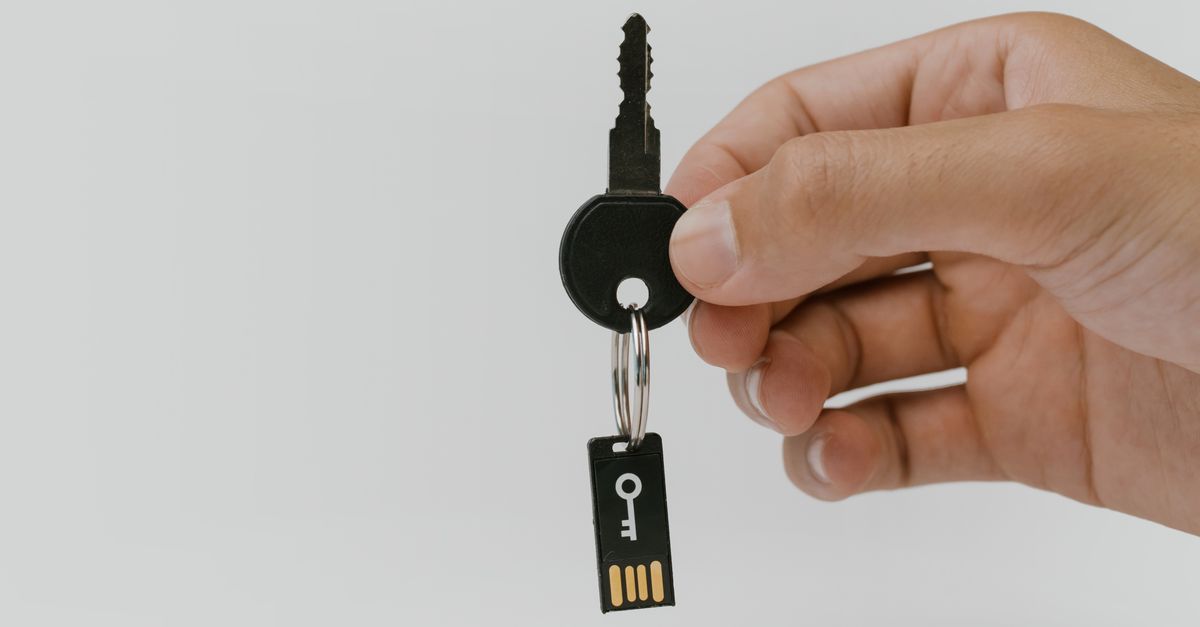
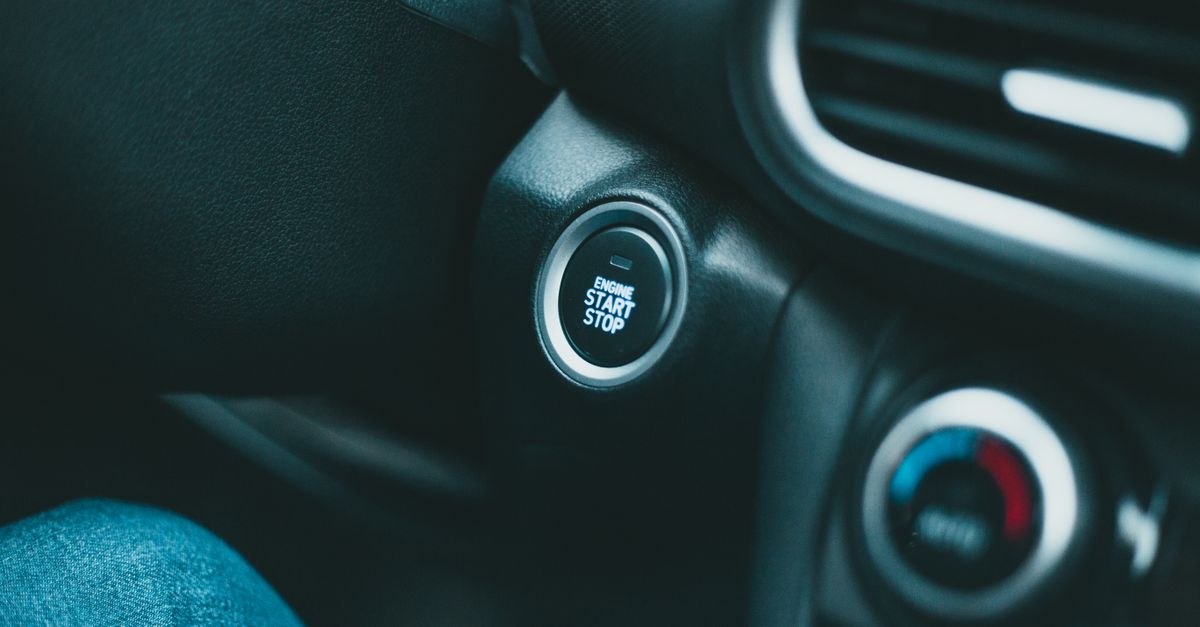
A key fob is not simply a radio transmitter you can pair to any vehicle the way you pair a Bluetooth speaker to a phone. Modern fobs store encrypted rolling codes that must be synchronized with your vehicle's Body Control Module (BCM) or Remote Keyless Entry (RKE) module. That synchronization process varies dramatically by make, model year, and trim level. Some vehicles allow a self-programming sequence through a series of door-lock and ignition steps, but the majority of cars built in the last decade require a professional-grade OBD-II diagnostic tool to write the fob's ID directly into the BCM — a step that dealerships often charge a steep premium for. Our technicians carry the specialized equipment needed to handle this process for a wide range of domestic and import vehicles right in your driveway, parking lot, or roadside.
Reprogramming is equally nuanced. If you replace your fob's battery and the remote stops working, it may have lost its sync — a quick reprogramming session usually restores it. If your vehicle was previously owned and old fobs were never erased from the system, security conflicts can prevent a new fob from registering at all. Our team diagnoses the exact cause before quoting the job, so you are never paying for guesswork. We also document which fobs are active in the system when the job is done, giving you a clear picture of your vehicle's security state.